

Why Is Your Marketing Attracting Poor-Quality Leads?
Are Enquiries Coming From Suitable Prospects?
I review a sample of accepted, rejected and won leads to identify recurring mismatches in industry, company size, location, use case, budget and buying role. This separates genuinely unsuitable prospects from good-fit buyers who need more time, information or a different sales approach.
Which Channels Are Generating Irrelevant Enquiries?
I compare sources by sales acceptance, qualified opportunities and customer outcomes. In paid search, this includes search terms, match types, location settings and exclusions. In paid social, I examine audiences, placements, creative and lead forms to find where inexpensive leads are creating expensive sales work.
Is Your Targeting Based on Your Best Customers?
An ideal customer profile should reflect who benefits from your offer and can realistically buy it. I review customer and CRM evidence to refine priority segments, buying roles, use cases and exclusions, then check whether campaign targeting actually follows those criteria.
Are Your Messaging & Offers Attracting the Wrong Interest?
Broad promises, unclear service scope and download-led campaigns can attract interest without buying intent. I review ads, content, offers and landing pages to make suitability clearer before an enquiry. A content download and a request for a sales conversation should have different qualification and follow-up paths.
Are Forms & Campaigns Optimised for Qualified Demand?
A form submission is not automatically a sales-ready lead. I review qualification questions, conversion events and CRM feedback to distinguish real enquiries from spam, duplicates and low-intent actions. Where practical, I recommend feeding qualified outcomes back into campaign optimisation while monitoring the effect on lead volume and cost.
Do Marketing & Sales Agree on a Qualified Lead?
I compare marketing qualification with sales acceptance criteria, routing, response times and rejection reasons. We establish clear definitions, ownership and a feedback process so that unsuitable leads are excluded, early-stage buyers are nurtured and relevant enquiries receive appropriate follow-up.
More Leads Will Not Fix a Prospect-Fit Problem
Lead quality is the degree to which an enquiry fits your offer and has a credible path to becoming a customer. I assess fit and buying readiness separately.
A company outside your service area or with an unsupported requirement may be unsuitable. A relevant company researching a purchase for next year may need nurturing. A good-fit buyer who receives no timely follow-up may reveal a sales-process problem.
My starting point is a joint review of recent enquiries with marketing and sales. I compare accepted, rejected and won leads, record specific rejection reasons and trace patterns back to campaigns, offers and landing pages.
The aim is to reduce wasted sales effort while protecting qualified demand. Tighter forms or narrower targeting can reduce total enquiries; success depends on the opportunities and customers that remain.
In my published lead qualification walkthrough, I show example workflows combining engagement, website activity and contact-profile information before a sales handoff.
The practical lesson is to check prospect fit alongside engagement and validate any scoring rules against sales acceptance and won business. Someone consuming a lot of content can still be an unsuitable buyer.
Who Benefits From a Lead Quality Review?
Who Is This Review For?
- B2B, SaaS and technology companies with a sales-assisted buying process.
- Professional services firms that depend on relevant enquiries.
- Marketing teams and agencies refining targeting with CRM evidence.
- Sales teams spending too much time on unsuitable prospects.
- Business owners seeking an independent view of lead quality.
Signs You Need a Review
- Enquiries grow, but qualified opportunities stay flat.
- Sales repeatedly rejects leads without clear, consistent reasons.
- Prospects ask for services or locations you do not support.
- CPL looks healthy, but cost per qualified opportunity rises.
- Marketing and sales disagree on which leads are ready to pursue.
What Should You Change When Lead Quality Is Poor?
● Wrong companies, locations or use cases?
Review audience criteria, search terms, exclusions and whether the landing page clearly states who the offer suits.
● Good fit, but no immediate project?
Separate nurture from sales-ready enquiries. Agree what evidence of intent is needed before a sales handoff.
● Good fit and active need, but no opportunity?
Check routing, response time, contact attempts and sales feedback before changing acquisition campaigns.
● Platforms report success, but sales rejects the leads?
Review conversion definitions and connect qualified CRM outcomes with campaign reporting where feasible.
What Do You Receive From a Lead Quality Review?
What You Receive
- Diagnosis of lead quality and rejection patterns.
- ICP, targeting and campaign exclusion recommendations.
- Practical changes to messaging, offers and enquiry forms.
- Clear qualification, routing and sales follow-up criteria.
- A prioritised action plan with owners and success metrics.
Intended Business Outcomes
- Less sales time spent on unsuitable enquiries.
- More consistent lead acceptance and follow-up.
- Clearer evidence of which campaigns create opportunities.
- Better separation of nurture and sales-ready prospects.
- Budget decisions based on qualified pipeline and revenue.
Demand Generation and Pipeline Case Studies
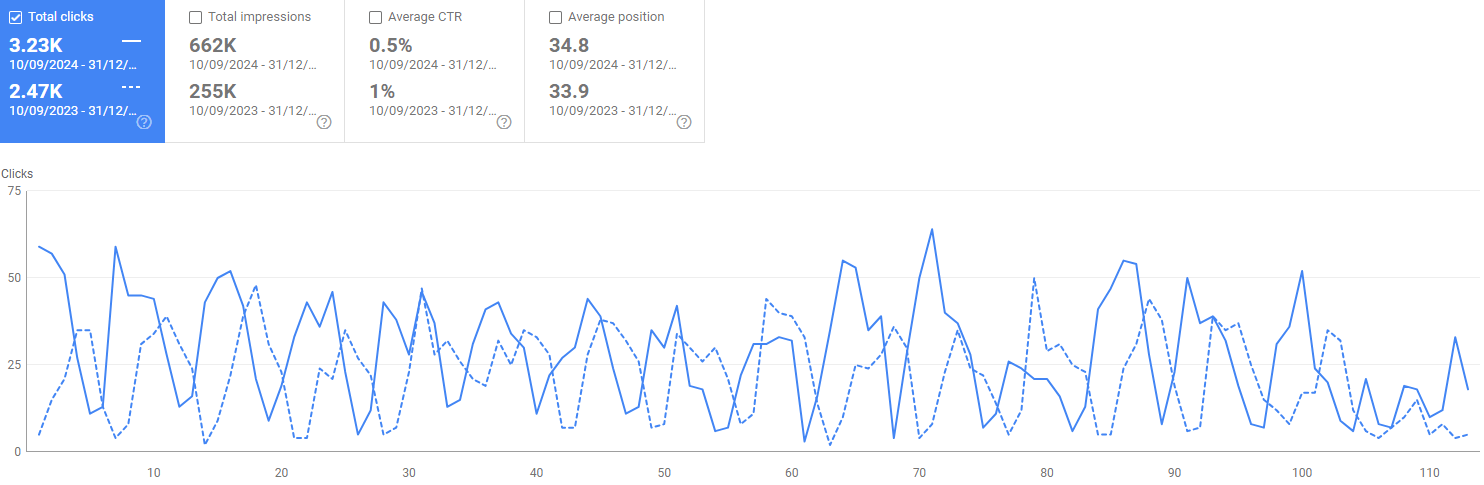
B2B Data Management: Increasing Organic Clicks by 31% Year over Year
Challenge Expand discovery beyond branded searches in a specialised software market. Improve visibility across data backup, recovery, security and integration topics. Address competing landing pages and gaps in technical content. Role SEO Consultant / Content Strategy and Optimisation Responsibilities Develop content briefs and guide new technical articles. Review and improve existing content, metadata and page…
Read More

AI Fashion Design SaaS: Acquiring Subscribers for Under $30 and Enterprise Leads for ~$35
Challenge Organic growth was impacted by a Google Core Update and inconsistent acquisition performance. Needed to identify scalable growth channels while maintaining strict CAC and ROI targets. Required optimisation of the entire customer journey from acquisition to paid conversion. Role Fractional CMO & Head of Growth Results Recovered organic visibility and resumed growth in key…
Read More
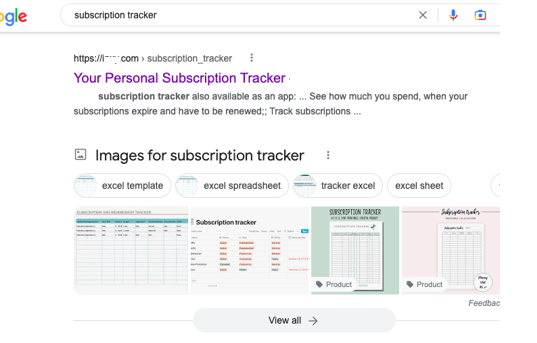
Fintech SaaS: Achieving Top-10 Rankings for 4 Target Keywords
Challenge Needed to compete against established fintech players for highly competitive subscription-tracking keywords. Existing website platform created technical SEO limitations that constrained growth. Required a scalable acquisition strategy across North America, the UK, and ANZ. Role Head of Search Growth Results Led a complete website platform migration to remove growth-limiting technical constraints and improve search…
Read More
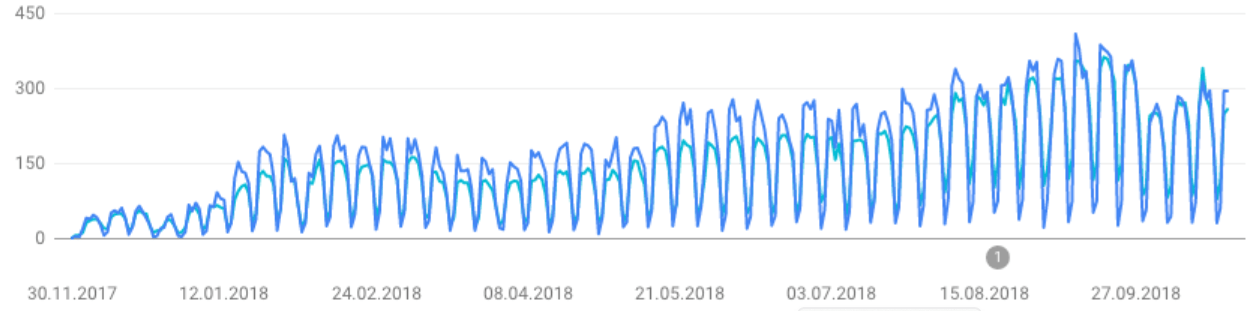
SharePoint SaaS: Growing Organic Traffic from Near Zero to Peaks of 300+ Daily Visitors
Challenge Limited organic visibility and low inbound trial downloads in a competitive SharePoint software market. Needed to generate qualified demand across North America, Europe, ANZ, and LATAM. Required a scalable acquisition strategy to support long B2B software buying cycles. Role Fractional CMO & Head of Growth Results Built a scalable global demand generation engine supporting…
Read More
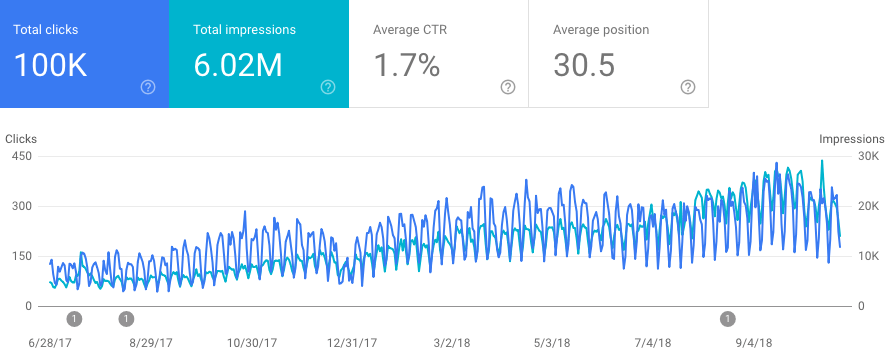
B2B eCommerce Platform: 3× Organic Traffic and LinkedIn Leads Below $80
Challenge Needed to compete in a crowded B2B commerce market against established enterprise platforms. Required stronger visibility for high-value commercial keywords related to eCommerce, marketplaces, and eProcurement. Needed a scalable lead generation engine across North America, Western Europe, and APAC. Role Head of Digital Marketing Results Increased daily organic traffic from 150 to 450 visitors,…
Read More
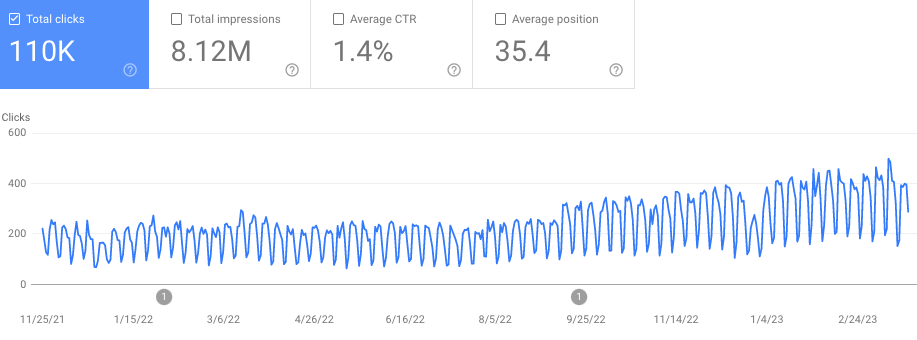
Enterprise Backup Platform: 10,000 Annual Leads and 150% More Opportunities
Challenge Global enterprise backup market Limited budget Strong incumbents Role Fractional Head of Growth / Marketing Leadership Responsibilities GTM strategy Demand generation Marketing operations Revenue forecasting International expansion Sales alignment Results Leads: 300 → 10,000 annually Opportunities +150% CPL 5x below industry benchmark Expansion into North America, Europe, LATAM and ANZ
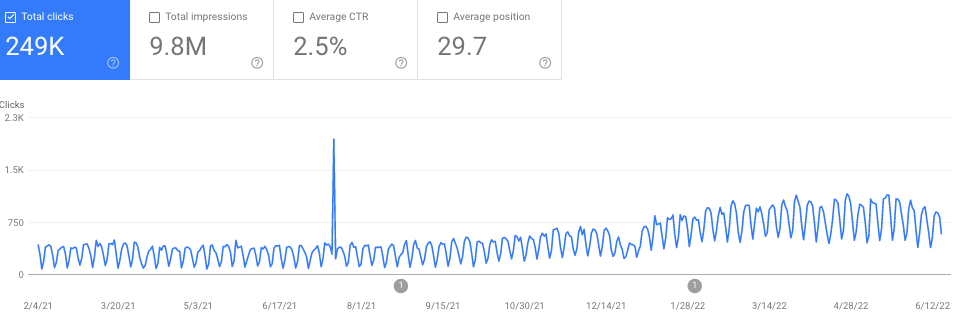
BIM Software: 249,000 Google Organic Clicks and 9.8 Million Impressions
Challenge Needed to establish category leadership in the highly competitive BIM software market. Required a scalable demand generation engine to support global growth across North America, Western Europe, MENA, and ANZ. Needed to consistently generate and nurture qualified opportunities through a 3–6 month enterprise buying cycle. Role Fractional CMO & Head of Growth Results Increased…
Read More
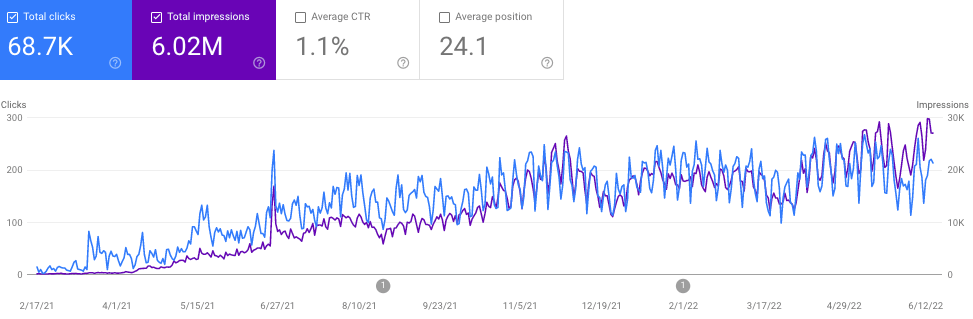
Cybersecurity Software: Growing from Fewer Than 5 to 100+ Monthly Leads in One Year
Challenge Generated fewer than 5 leads per month in a competitive cybersecurity market. Needed to increase visibility and credibility among enterprise and government buyers. Required a scalable demand generation strategy across DACH, Nordics, and ANZ despite 6–12 month sales cycles. Role Fractional CMO & Head of Growth Responsibilities Go-to-Market (GTM) Strategy Demand Generation Marketing Operations…
Read More
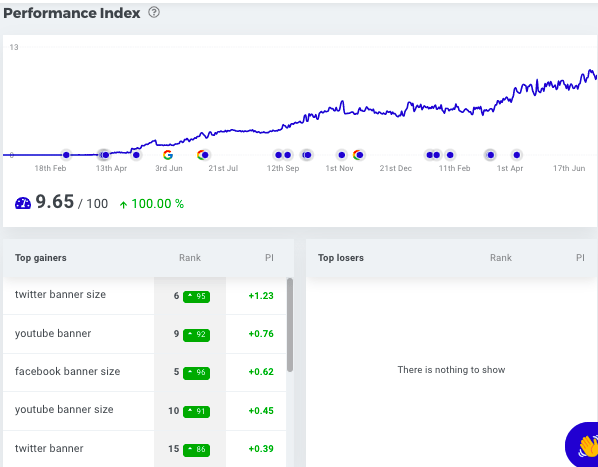
Creative Operations SaaS: 68,700 Google Organic Clicks in 16 Months
Challenge Needed to establish category awareness in a crowded creative technology and marketing operations market. Required visibility for both high-volume awareness keywords and high-intent commercial search terms. Needed a scalable acquisition engine capable of generating qualified demand without relying solely on paid channels. Role Head of Search Growth Results Built an organic acquisition engine from…
Read More
Client Reviews
Find Out Why Your Leads Are Not Becoming Opportunities
In this complimentary 60-minute session, we will discuss the enquiries you receive, why sales rejects them and where marketing and sales expectations differ.
Bring a summary of your channels, offer and qualification process. If available, a small anonymised sample of accepted, rejected and won leads is useful. No formal presentation or perfect CRM is required.
You will leave with an independent view of the likely issues and 3–5 priorities to investigate or change first. This initial conversation is not a complete account or CRM audit.
What we will look at
- Ideal customer profile and unsuitable prospect patterns
- Search terms, audiences, offers and landing-page expectations
- Qualification questions and evidence of buying intent
- Sales acceptance, lead routing and follow-up
- Rejection reasons and feedback to marketing
- Qualified opportunities, customer outcomes and measurement gaps
The goal is to agree where to investigate first before spending more to generate additional enquiries.
If You Need Help Improving Lead Quality
Lead Quality Diagnostic Sprint
Ideal for: Companies that need to understand why unsuitable enquiries enter the funnel and which fixes to prioritise.
Includes:
- Recent lead sample and rejection-reason analysis
- ICP, channel and targeting review
- Messaging, forms and qualification assessment
- Marketing-to-sales handoff review
- Measurement gaps and prioritised action plan
Estimated price: from AUD 1,000 excl. GST
Lead Quality Advisory
Ideal for: Teams that need ongoing guidance to test targeting, qualification and sales-alignment improvements.
Includes:
- Two strategy calls per month
- Lead quality and opportunity performance review
- Campaign, offer and qualification recommendations
- Review of sales feedback and rejection patterns
- Experiment planning and result interpretation
Estimated price: from AUD 2,000/month excl. GST
Fractional Marketing Leadership
Ideal for: Companies needing senior leadership to align marketing, sales and execution around qualified demand.
Includes:
- Weekly strategy and performance sessions
- ICP, positioning and acquisition priorities
- Marketing and sales alignment
- Qualification and opportunity reporting oversight
- Team, freelancer and agency coordination
- Executive reporting and decision support
Estimated price: from AUD 3,500/month excl. GST
Poor Lead Quality FAQ
What is poor lead quality?
Poor lead quality means enquiries have limited potential to become suitable customers. The mismatch may involve use case, location, company size, budget or buying role. Low readiness is different from poor fit: a relevant prospect without an immediate project may belong in nurture rather than be rejected.
Why are we getting irrelevant enquiries?
Possible causes include broad targeting, irrelevant search terms, unsuitable locations, vague messaging, low-intent offers and forms that do not establish what the prospect needs. Spam and duplicates are separate problems. I check actual enquiry samples and source data before deciding which explanation applies.
How do you define our ideal customer profile?
Start with customers who receive clear value from your offer and can be served profitably. Compare use cases, industries, size, geography, requirements, buying roles and reasons for winning or losing. Marketing and sales should agree both positive fit criteria and explicit exclusions, then test them against recent enquiries.
How do we know whether the problem is marketing or sales?
Compare fit at enquiry, sales acceptance, response times, contact attempts and opportunity creation. Repeated mismatches already present in the initial enquiry suggest acquisition or messaging issues. Relevant enquiries lost through routing or follow-up suggest process issues. Both can coexist, so review lead-level evidence jointly rather than assign blame from totals.
How can we improve lead quality from Google Ads or paid social?
Trace rejected and accepted leads back to campaigns. Review search terms, audiences, location settings, exclusions, placements, ads and offers as applicable. Check what the platform counts as a conversion. Where technically feasible and appropriate, use qualified CRM outcomes to inform optimisation. Test changes against qualified opportunities and cost, allowing time for leads to mature.
Should we add more fields or qualification questions to our forms?
Only add questions that change qualification, routing or follow-up. Useful fields may include the required service, location, company or project need. Longer forms can reduce valid enquiries as well as unsuitable ones, and self-reported answers may be inaccurate. Test the smallest useful change and compare completed forms, sales acceptance and qualified opportunities.
How do we align marketing and sales on lead quality?
Agree suitability criteria, buying-readiness signals, lifecycle stages, routing, ownership and follow-up expectations. Give sales a short list of specific rejection reasons, such as unsupported requirement, outside service area or no current project. Review accepted and rejected samples together regularly, and use the findings to update campaigns and nurture paths.
Which metrics should we track to measure lead quality?
Track sales acceptance rate, qualified-lead rate, lead-to-opportunity conversion, cost per qualified opportunity, win rate and customer outcomes by source. Define the denominator and qualification rules consistently. Compare leads created in similar periods with enough time to progress; otherwise long sales cycles can make recent campaigns appear worse than they are.
Can a higher cost per lead mean better marketing performance?
Yes, if the leads create more suitable opportunities or valuable customers at an acceptable total cost. A cheaper enquiry can require more wasted sales effort. Compare cost per opportunity, customer acquisition cost, win rate, customer value and sales effort before judging a campaign on CPL alone. The worked example above illustrates the distinction without proposing a benchmark.
Will lead scoring solve poor lead quality?
A score can help prioritise leads when it reflects fit and meaningful behaviour, but it cannot repair misleading targeting or prove purchase intent. Keep fit and engagement separate, validate scores against sales outcomes and review false positives and missed opportunities. A simple agreed qualification checklist may be more useful than a complex model when data is limited.
What should we do with good-fit prospects who are not ready to buy?
Record the reason and likely timing, agree a relevant follow-up path and provide information that helps their buying decision. Route them back to sales when meaningful readiness signals appear. Keep nurture separate from disqualification, and respect communication preferences. A lack of immediate purchase intent does not make the prospect permanently unsuitable.
How do we separate spam, duplicates and genuine low-quality leads?
Use separate categories. Spam may require form validation or anti-spam controls; duplicates need record matching and reporting rules. Genuine enquiries need a fit and readiness assessment. Avoid rejecting people solely because they use a personal email address. Confirm that protection measures do not block legitimate buyers, and report valid enquiries separately from raw submissions.
What data should we prepare for a lead quality review?
Useful inputs include anonymised accepted, rejected and won lead samples; source and campaign fields; qualification and rejection reasons; stage dates; follow-up records; and campaign costs. Landing pages, forms and sales criteria also help. We can start with available reports and identify which conclusions remain provisional when the CRM is incomplete.
How long does it take to see an improvement in lead quality?
Timing depends on lead volume, the buying cycle and the cause. Clear targeting or routing errors may be corrected quickly, but reliable evidence of better opportunity or customer outcomes takes longer. I agree review points around the volume and maturity of the leads, rather than promise a fixed improvement date or universal target.
Can you work with our existing marketing team or agency?
Yes. The review provides an independent diagnosis and practical priorities for your existing team. Marketing, sales and the agency can contribute different evidence. We agree who owns targeting changes, qualification, follow-up and reporting, so recommendations have a clear implementation path.
Should we cut campaigns or increase spend when lead quality is poor?
First identify which sources generate unsuitable enquiries and which create qualified opportunities. Fix clear errors, test targeting or qualification changes and preserve evidence of what works. Broad budget cuts can remove valuable demand, while more spend can amplify the same mismatch. Use opportunity economics and customer outcomes to decide what to stop, improve or scale.
Get in touch
Tell me about the enquiries you receive, the prospects sales rejects and where qualification breaks down. I aim to reply within one business day.
-
Email
[email protected] -
LinkedIn
View Profile -
Location
Adelaide, Australia