

Why Can’t You Confidently Connect Marketing Spend With Revenue?
Are Your Conversions Being Tracked Correctly?
Duplicate conversions, missing events, incorrect conversion values and inconsistent reporting across advertising and analytics platforms can distort your marketing performance data.
Is Your Marketing Data Connected to Sales Results?
Disconnected GA4, advertising platforms and CRM records make it difficult to follow the customer journey from the first interaction through to qualified opportunities and closed deals.
Which Marketing Channels Actually Influence Sales?
Last-click attribution often gives too much credit to the final interaction, ignoring earlier touchpoints that helped generate demand and influence purchasing decisions.
Can You Connect Marketing Leads to Revenue?
Lead volume alone doesn't explain marketing effectiveness. Connecting campaigns to qualified opportunities, closed deals and customer revenue helps identify which activities generate commercial results.
Are You Calculating Marketing ROI Correctly?
ROAS and marketing ROI measure different things. Accurate calculations require consistent revenue attribution, relevant marketing costs and, where possible, gross margins rather than revenue alone.
How Much Marketing Data Are You Missing?
Cookie consent, browser restrictions, cross-device journeys and untracked interactions can create significant measurement gaps. Understanding these limitations is essential before making budget decisions.
Is AI Search Generating Demand You Can't Track?
ChatGPT, Claude, AI Overviews and other AI-driven discovery channels may influence purchasing decisions without generating identifiable referral traffic. Traditional attribution models can miss this contribution.
Are You Investing in the Right Marketing Channels?
Marketing dashboards often focus on clicks, conversions and platform-reported ROAS rather than business outcomes. Reliable measurement helps identify where to increase, reduce or reallocate marketing investment.
Why More Marketing Activity Doesn't Always Generate More Revenue
Marketing investment can increase traffic, leads and reported conversions without delivering a proportional increase in revenue. More activity doesn't necessarily mean better commercial performance.
The problem is often measurement. Advertising platforms report conversions, analytics tools track customer interactions, and CRM systems record sales outcomes. But these systems don't always tell the same story.
Marketing campaigns may generate hundreds of leads at an attractive cost per lead, but only a small proportion may become qualified opportunities or paying customers. The problem may be poor targeting, low purchase intent, slow sales follow-up or ineffective lead qualification.
Attribution adds another complication. A customer may discover your business through organic search, compare alternatives using ChatGPT, return through a paid advertisement and eventually become a customer. Giving all the credit to the final interaction can lead to incorrect conclusions about which channels deserve investment.
Who Needs Marketing ROI & Attribution Consulting?
Who Is Marketing ROI and Attribution Consulting For?
● B2B companies with long sales cycles, multiple decision-makers and sales-assisted conversions
● Multi-channel businesses investing in paid search, SEO, social media, AI visibility and other acquisition channels
● Professional services companies where lead quality, consultation bookings and sales follow-up determine revenue
● Marketing directors and CMOs who need to demonstrate pipeline contribution and justify marketing budgets
● Business owners and executives who want to understand which marketing investments generate commercial returns
When Should You Review Your Marketing ROI & Attribution?
● Marketing spend is increasing, but revenue or qualified pipeline isn't growing proportionally
● Lead volume looks healthy, but few leads become qualified opportunities or paying customers
● GA4, Google Ads and CRM reports disagree on conversions, acquisition sources or revenue
● Branded search and direct traffic receive most of the credit, while earlier marketing interactions remain invisible
● AI search, social media and other discovery channels influence buyers, but their contribution is difficult to measure
● Budget allocation decisions rely on incomplete or conflicting data, making it difficult to identify what deserves more investment
WHAT WILL YOU GET FROM A MARKETING ROI & ATTRIBUTION REVIEW?
The outcome of a marketing ROI review is a clearer understanding of which marketing activities contribute to business results, where measurement is unreliable, and what needs to change to make better investment decisions.
01
Measurement Reliability Assessment
Identify missing or duplicate conversions, inconsistent revenue figures and tracking issues that affect the accuracy of your reports.
02
Attribution Gap Analysis
Understand which customer interactions are captured, which remain invisible and where attribution models may be misleading.
03
Lead Quality & Pipeline Analysis
Compare marketing channels by lead qualification, opportunity conversion and closed revenue, rather than lead volume alone.
04
Marketing ROI Framework
Establish consistent definitions for marketing investment, attributable revenue, profitability and payback.
05
Reporting Recommendations
Determine which metrics, CRM connections and reporting improvements are needed to support management decisions.
06
Prioritised Action Plan
Receive practical recommendations for fixing measurement gaps, improving sales and marketing data, and validating channel performance.
WHAT DECISIONS WILL THE REVIEW HELP YOU MAKE?
The review helps you separate performance problems from measurement problems, so you can decide what to fix, investigate or test before changing your marketing budget.
Which channel results are reliable enough to guide investment?
Identify where tracking and CRM evidence support a decision, and where missing or conflicting data require further investigation.
Where does marketing activity lose commercial value?
Assess whether the main issue is lead quality, sales follow-up, opportunity conversion or incomplete reporting.
What should you fix first?
Prioritise improvements based on their likely impact on reporting accuracy and investment decisions.
Where do you need a test before committing more budget?
Identify channels where attribution reports alone cannot establish whether additional spend generates additional business.
WHY DOES YOUR ANALYTICS PLATFORM SHOW A DIFFERENT REALITY FROM YOUR CRM?
Advertising platforms, GA4 and CRM systems frequently report different conversion and revenue figures. That doesn't automatically mean one system is broken. They may use different attribution windows, conversion definitions and methods for assigning credit.
Consider a hypothetical B2B buyer journey
LinkedIn post
A decision-maker discovers your company but doesn't visit the website.
ChatGPT recommendation
Two weeks later, the buyer researches vendors and sees your company mentioned.
Google branded search
The buyer searches your brand, clicks a paid search ad and submits an enquiry.
CRM opportunity
The enquiry becomes a sales opportunity and closes three months later.
WHAT GETS THE CREDIT?
Google Ads may claim the conversion. GA4 may report paid search as the acquisition source. The CRM may record the same source or a different one. These reports may miss the earlier LinkedIn or AI influence.
I don't believe that replacing last-click attribution with a complicated multi-touch model automatically solves this problem. Attribution models distribute credit according to assumptions. They do not necessarily establish which activities caused additional sales.
My approach is to combine observable conversion data, CRM outcomes, customer research, channel trends and controlled experiments where feasible. This helps assess what can be measured directly, where influence is plausible and whether there is evidence of incremental growth.
CUSTOMER ACQUISITION CASE STUDIES
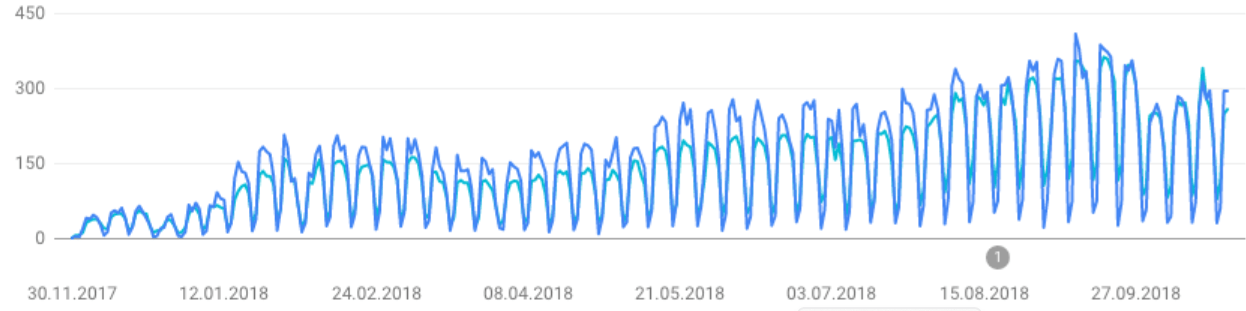
SharePoint SaaS: Scaling Global Demand Generation for a Leading Apps Vendor
Challenge Limited organic visibility and low inbound trial downloads in a competitive SharePoint software market. Needed to generate qualified demand across North America, Europe, ANZ, and LATAM. Required a scalable acquisition strategy to support long B2B software buying cycles. Role Fractional CMO & Head of Growth Results Built a scalable global demand generation engine supporting…
Read More
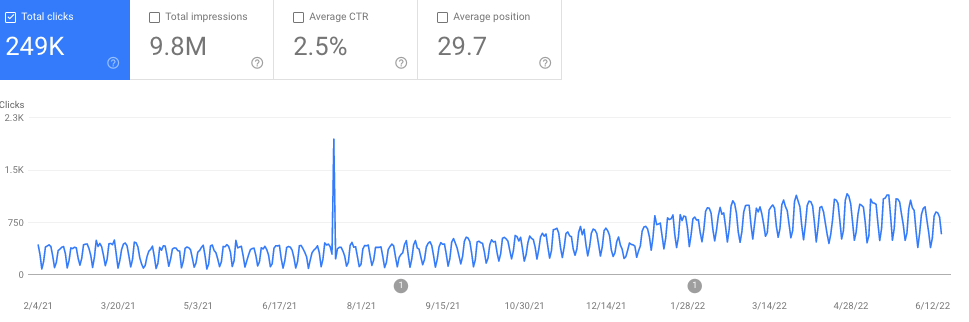
BIM Software: Scaling Global Demand Generation and Pipeline Growth
Challenge Needed to establish category leadership in the highly competitive BIM software market. Required a scalable demand generation engine to support global growth across North America, Western Europe, MENA, and ANZ. Needed to consistently generate and nurture qualified opportunities through a 3–6 month enterprise buying cycle. Role Fractional CMO & Head of Growth Results Generated…
Read More

AI Fashion Design SaaS: Building a Predictable Growth Engine
Challenge Organic growth was impacted by a Google Core Update and inconsistent acquisition performance. Needed to identify scalable growth channels while maintaining strict CAC and ROI targets. Required optimisation of the entire customer journey from acquisition to paid conversion. Role Fractional CMO & Head of Growth Results Recovered organic visibility and resumed growth in key…
Read More
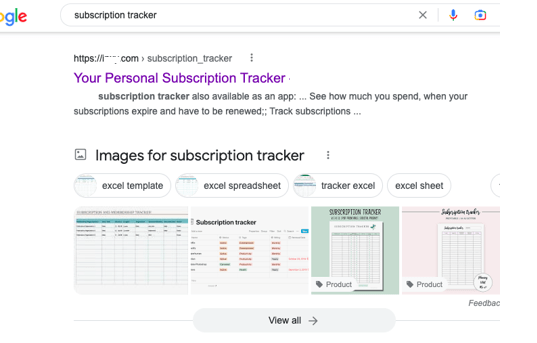
Fintech SaaS: Building Organic Growth in a Competitive Search Market
Challenge Needed to compete against established fintech players for highly competitive subscription-tracking keywords. Existing website platform created technical SEO limitations that constrained growth. Required a scalable acquisition strategy across North America, the UK, and ANZ. Role Head of Search Growth Results Led a complete website platform migration to remove growth-limiting technical constraints and improve search…
Read More
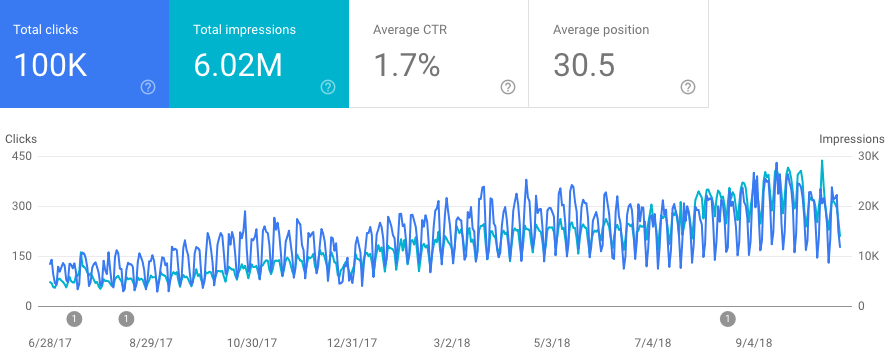
B2B eCommerce Platform: Scaling Global Demand Generation and Market Visibility
Challenge Needed to compete in a crowded B2B commerce market against established enterprise platforms. Required stronger visibility for high-value commercial keywords related to eCommerce, marketplaces, and eProcurement. Needed a scalable lead generation engine across North America, Western Europe, and APAC. Role Head of Digital Marketing Results Increased daily organic traffic from 150 to 450 visitors,…
Read More
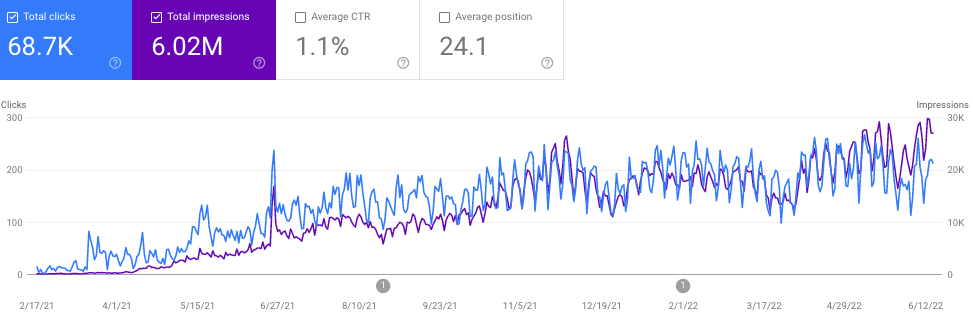
Microsoft Data Protection: Building Enterprise Demand Generation in Cybersecurity
Challenge Generated fewer than 5 leads per month in a competitive cybersecurity market. Needed to increase visibility and credibility among enterprise and government buyers. Required a scalable demand generation strategy across DACH, Nordics, and ANZ despite 6–12 month sales cycles. Role Fractional CMO & Head of Growth Responsibilities Go-to-Market (GTM) Strategy Demand Generation Marketing Operations…
Read More
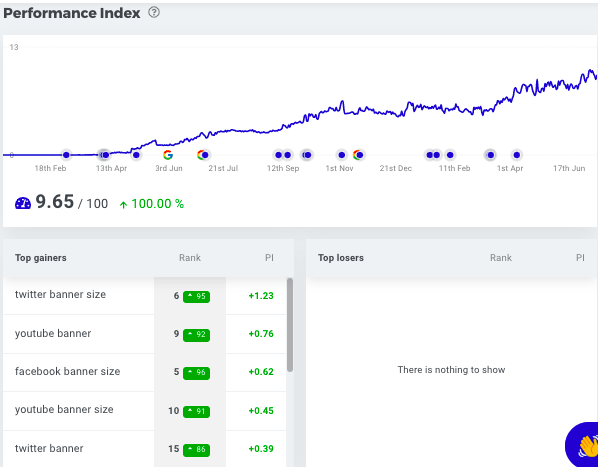
Creative Operations SaaS: Building Organic Growth and Category Visibility
Challenge Needed to establish category awareness in a crowded creative technology and marketing operations market. Required visibility for both high-volume awareness keywords and high-intent commercial search terms. Needed a scalable acquisition engine capable of generating qualified demand without relying solely on paid channels. Role Head of Search Growth Results Built an organic acquisition engine from…
Read More
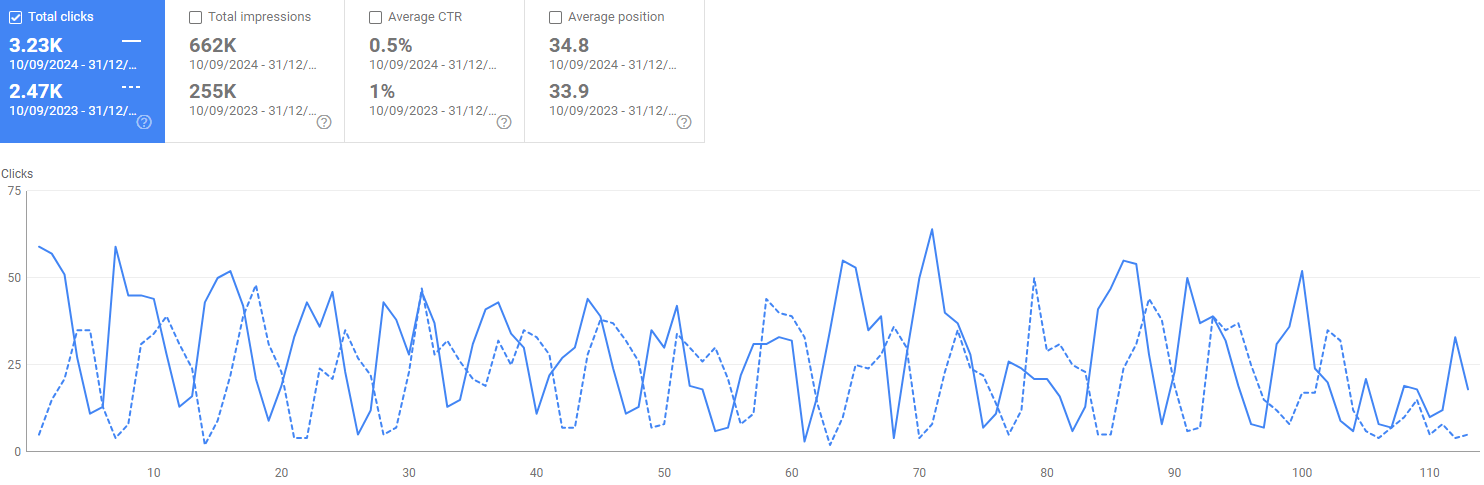
Salesforce Data Management SaaS: Building Global Demand Generation
Challenge Needed to compete in the highly competitive Salesforce ecosystem against larger and better-funded vendors. Required stronger visibility across data management, backup, archiving, and compliance categories. Needed a scalable demand generation engine capable of supporting enterprise pipeline growth across multiple global markets. Role Head of Search Growth Results Increased visibility across strategic Salesforce data management,…
Read More
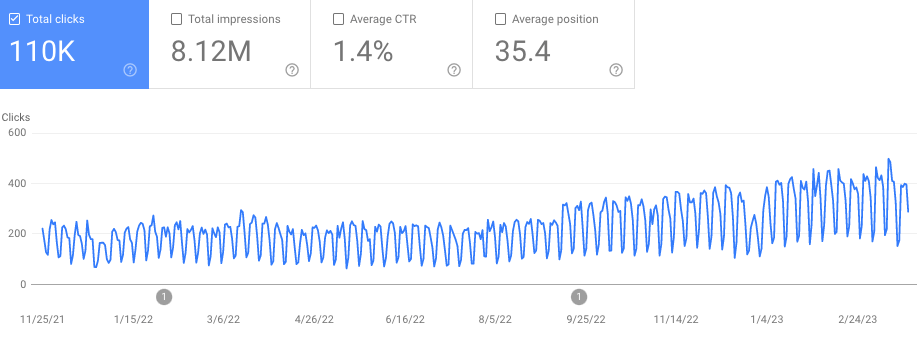
Enterprise Backup Platform: Scaling Enterprise Demand Generation Against IBM, Dell and Veeam
Challenge Global enterprise backup market Limited budget Strong incumbents Role Fractional Head of Growth / Marketing Leadership Responsibilities GTM strategy Demand generation Marketing operations Revenue forecasting International expansion Sales alignment Results Leads: 300 → 10,000 annually Opportunities +150% CPL 5x below industry benchmark Expansion into North America, Europe, LATAM and ANZ
Client Reviews
FIND OUT WHAT’S MISSING FROM YOUR MARKETING ROI
Before cutting a channel or increasing budget, it helps to understand what your reporting can show and where the connection between marketing and revenue is unclear.
In this complimentary 60-minute session, we’ll review your marketing measurement, discuss the decisions you need to make and identify the gaps between campaign activity, pipeline and revenue.
You will leave with an independent view of the likely measurement issues, the evidence worth checking and 3–5 priority actions to investigate or improve first.
What we’ll look at
- Marketing spend, lead, pipeline and revenue reporting
- Differences between platform and CRM attribution
- Lead quality and conversion through the sales funnel
- Tracking definitions, source fields and reporting consistency
- AI-assisted discovery and other potentially untracked touchpoints
- Measurement improvements that could support more confident investment decisions
The goal is to clarify what you can reliably conclude from your current data and what needs further investigation.
If You Need Help Improving Marketing ROI Measurement
Marketing ROI and Attribution Diagnostic
Ideal for: Companies that need to understand why marketing performance reports do not clearly connect investment with pipeline or revenue.
Includes:
- Marketing spend, outcome and reporting review
- Attribution and tracking assessment
- CRM and sales-funnel data review
- Lead-quality and pipeline contribution analysis
- Assessment of potential AI discovery measurement gaps
- Prioritised measurement and reporting roadmap
Estimated price: from AUD 1,000 excl. GST
Marketing Performance Advisory
Ideal for: Companies that have identified measurement or performance issues and need ongoing guidance to improve reporting and investment decisions.
Includes:
- Two strategy calls per month
- Review of marketing, pipeline and revenue performance
- Guidance on channel and campaign evaluation
- Review of measurement improvements and experiments
- Support with marketing and sales reporting alignment
- Ongoing advice on budget and performance decisions
Estimated price: from AUD 2,000/month excl. GST
Fractional Marketing Leadership
Ideal for: Growing companies that need senior marketing leadership to connect strategy, execution, measurement and commercial outcomes.
Includes:
- Weekly strategy and performance sessions
- Marketing strategy and budget guidance
- Marketing and sales alignment
- Oversight of measurement and reporting priorities
- Team, freelancer and agency coordination
- Executive reporting and decision support
Estimated price: from AUD 3,500/month excl. GST
MARKETING ROI & ATTRIBUTION FAQ
What is marketing ROI?
Marketing ROI measures the profit contribution generated by marketing relative to its cost. A meaningful calculation requires clear definitions of marketing costs, margins, revenue contribution and the period being measured.
How do you calculate marketing ROI?
A common calculation is (revenue attributed to marketing − marketing cost) ÷ marketing cost. The result depends on reliable cost and revenue data, and attribution rules can affect which revenue is credited to marketing.
Why is marketing ROI difficult to measure?
Marketing ROI is difficult to measure when customer journeys cross channels, devices and teams, while tracking and reporting use inconsistent definitions. Long sales cycles and unrecorded research can make the connection between an early interaction and a later sale harder to see.
What is the difference between marketing ROI and ROAS?
Return on Ad Spend (ROAS) measures the revenue attributed to advertising relative to advertising expenditure. Marketing ROI evaluates financial returns against a broader range of marketing costs, ideally accounting for gross margins and profitability. A campaign can report strong ROAS but still deliver disappointing financial results once agency fees, software, personnel and other relevant costs are considered. Both metrics are useful, but they answer different questions.
Why can marketing generate leads without generating revenue?
Marketing can generate leads that do not fit the target customer profile, progress into qualified opportunities or convert into customers. Lead quality, follow-up speed, sales process and buying conditions all affect whether lead volume becomes revenue.
Can AI search affect marketing attribution?
Yes. A prospect may research a category or compare providers in an AI tool before visiting a website. If that research happens without a trackable click, analytics may record a later direct or branded visit without showing the earlier AI influence.
How can we assess AI’s influence when there is no click?
There is no single measurement that captures every unclicked AI influence. Referral data, CRM notes, self-reported sources, branded demand and controlled tests can provide useful signals, but each should be interpreted with its limitations in mind.
Can marketing ROI be measured without perfect attribution?
Yes. Perfect attribution is rarely achievable, particularly when customer journeys involve multiple devices, offline interactions, long sales cycles or channels such as AI search. I combine available analytics data, CRM outcomes, customer research and channel performance trends to develop a more reliable understanding of marketing contribution. Where appropriate, controlled experiments can help estimate incremental impact. The important distinction is between what can be measured directly, what can reasonably be estimated and what remains unknown.
Should we cut marketing spend if ROI is unclear?
Not automatically. First determine whether the issue is weak performance, incomplete measurement or both. Cutting spend based on unreliable attribution can remove valuable activity, while continuing investment without reviewing outcomes can also waste budget.
How do we know which marketing channels are actually producing customers?
The analysis should connect marketing activity to qualified opportunities, customers and revenue rather than relying only on clicks, leads or platform-reported conversions. This usually requires reviewing attribution, CRM data, sales outcomes and customer quality across paid, organic, referral, partnership and other acquisition channels.
Why do direct and branded searches receive so much conversion credit?
They are often the last measurable steps before conversion, so last-click reporting may assign them credit even when earlier marketing, recommendations or AI-assisted research helped shape the decision. They can be important touchpoints without explaining the whole journey.
What data do I need for a marketing ROI review?
Useful inputs include marketing costs, conversion reports, CRM lead and opportunity records, won revenue and margin data where available. Incomplete data can still support an initial discussion; I’ll identify which gaps limit the conclusions.
Get in touch
Get in touch to discuss your marketing measurement challenges, lead quality, pipeline conversion or attribution gaps. I can help you understand where your reporting may be misleading and what improvements are worth prioritising.
-
Email
[email protected] -
LinkedIn
View Profile -
Location
Adelaide, Australia