

Why Are Your Customer Acquisition Costs Increasing?
Where Is Customer Acquisition Becoming More Expensive?
I compare acquisition costs across channels, campaigns, customer segments and markets to identify exactly where efficiency is deteriorating. This includes advertising spend, relevant sales and marketing costs, conversion rates and new customer volume. The aim is to separate simple media-cost inflation from deeper problems in targeting, conversion or sales efficiency—and show where changes can have the greatest commercial impact.
Which Paid Campaigns Are Consuming Budget Without Producing Customers?
Paid campaigns can look successful in advertising platforms while contributing little to actual customer acquisition. I examine paid search, LinkedIn and other paid-media activity across search terms, audiences, bidding, creative, campaign overlap, landing pages and conversion tracking. Recommendations are based on qualified demand, customers and revenue—not clicks, impressions or platform-reported conversions alone.
Have Your Acquisition Channels Reached Saturation?
A channel that works efficiently at a smaller budget does not necessarily scale at the same economics. I look for signs such as rising CPCs, repeated exposure to the same audiences, creative fatigue, declining conversion rates and expansion into lower-intent traffic. This helps determine whether the answer is better optimisation, different targeting or moving incremental budget elsewhere.
Are You Paying to Attract the Wrong Buyers?
Low-quality demand can make customer acquisition expensive even when lead volume looks healthy. I review your ideal customer profile, priority segments, targeting criteria and the commercial value of customers being acquired. The objective is to focus investment on buyers who are more likely to convert, require reasonable sales effort and generate sufficient long-term value.
Where Are Prospects Failing to Become Customers?
Sometimes the acquisition channel is not the problem. The cost rises because too few prospects progress through the funnel. I review the journey from first visit to purchase, including landing pages, enquiries, demos, trials, nurturing and sales follow-up. Weak messaging, unclear offers, friction or inconsistent follow-up can make otherwise effective campaigns uneconomical.
How Dependent Is Your Growth on Advertising?
If most new customers disappear when advertising stops, acquisition costs are likely to remain structurally high. I evaluate how much demand comes from paid media versus organic search, content, AI-assisted discovery, email, referrals and partnerships. The goal is not to replace advertising, but to build a more balanced acquisition mix that reduces dependence on continuously increasing paid spend.
How I Identify Opportunities to Reduce Customer Acquisition Cost
Customer acquisition economics describe the relationship between acquisition spend, the number and quality of customers won, customer value and the time required to recover acquisition costs.
Increasing advertising spend can make customer acquisition more expensive if additional budget is pushed into lower-quality audiences, saturated channels or weak conversion paths.
As spend increases, marginal returns often decline. Higher media costs, repeated exposure to the same audiences, weaker targeting and lower-intent traffic can all increase customer acquisition cost even when total lead volume grows.
I assess where acquisition efficiency is deteriorating before recommending whether to increase, reduce or redirect investment. This includes separating changes in media costs from changes in customer quality, conversion rates, sales efficiency and the cost of closing new business.
The objective is not simply to spend less. It is to allocate more budget to the channels, audiences and funnel stages that continue to produce commercially valuable customers at an acceptable cost.
Who Is Customer Acquisition Cost Consulting For?
Which Companies Benefit Most From CAC Analysis?
● Businesses acquiring customers through multiple paid and organic channels and needing to understand which ones are still economically efficient
● Professional services, local services and consumer-facing businesses where lead quality, conversion rates and repeat business materially affect acquisition economics
● Companies with longer funnels, multiple touchpoints or sales-assisted acquisition
● Companies with established marketing activity that are seeing acquisition costs rise faster than customer or revenue growth
● Companies that struggle to connect marketing and sales activity with customer value and revenue
When Should You Investigate Rising Customer Acquisition Costs?
● Advertising spend is growing faster than new customer volume
● Previously efficient campaigns are becoming more expensive or less productive
● Lead volume remains healthy, but too few leads convert into customers
● Growth slows materially whenever paid-media budgets are reduced
● Organic search, referrals, partnerships or other non-paid channels contribute too little new business
● Management cannot clearly connect acquisition spend to customer value, CAC payback or revenue
Why Is Your CAC Increasing? What I Check First
A higher customer acquisition cost does not automatically mean your advertising has stopped working. I compare marketing costs with funnel conversion and customer outcomes to identify where the economics have changed.
| What the data shows | Possible explanation | What I investigate |
|---|---|---|
| Cost per click rises, while conversion rates remain stable | Traffic has become more expensive, or spend has shifted towards more costly campaigns. | Search terms, placements, competitive pressure and budget allocation. |
| Cost per lead stays stable, but customer acquisition cost rises | Fewer leads become customers, or closing each sale requires more effort. | Lead quality, qualification, sales follow-up, win rates and sales-cycle length. |
| Advertising platforms report more conversions, but new customer numbers remain flat | Reported conversions may include duplicate events or actions that rarely lead to a purchase. | Conversion definitions, tracking accuracy and the connection between campaign results and CRM outcomes. |
| Acquisition spend grows faster than new customer volume | Additional budget may be reaching less responsive audiences or less efficient channels. | Additional investment versus additional customers, allowing for sales-cycle timing, seasonality and changes in customer mix. |
| CAC rises alongside average customer value | The business may be acquiring larger or more valuable customers at a higher initial cost. | Gross profit, retention, repeat purchases, sales effort and acquisition payback. |
These patterns guide the investigation; they do not establish the cause on their own. The aim is to identify which changes are most likely to improve acquisition efficiency without sacrificing customer quality.
What Data Do You Need for a CAC Review?
You do not need a perfect dashboard before we start. I work with the available marketing, sales and customer data to establish what can be measured reliably and where gaps limit the analysis.
| Data | What I Use It For |
|---|---|
| Monthly marketing and relevant sales costs, including advertising, agency fees, tools and staff costs | Establish a consistent cost base and identify which expenses are included in your reported CAC. |
| New customer numbers and acquisition dates | Calculate acquisition cost and account for the time between marketing activity and a completed sale. |
| Leads, qualified opportunities and won deals, with stage dates where available | Find conversion losses and distinguish lead-generation problems from qualification or sales-process issues. |
| Channel and campaign information connected to leads or customers where possible | Compare acquisition sources while accounting for attribution gaps and differences in customer quality. |
| Revenue, gross margin, retention and repeat purchases where available | Assess whether acquisition costs are justified by customer value and how quickly the investment is recovered. |
For the initial discussion: bring a summary of recent acquisition spend, new customer numbers and the changes you are concerned about. Existing spreadsheets, CRM exports and campaign reports are useful starting points.
For a deeper review, we agree on the reporting period and required data together. If information is missing, I identify the measurement gaps, explain which conclusions remain provisional and recommend what to track next.
How I Calculate Customer Acquisition Cost
I establish a consistent cost base and account for the time it takes prospects to become customers before comparing acquisition performance.
- Fully loaded CAC: relevant acquisition-related sales and marketing costs divided by new customers acquired. This includes advertising, agency fees, tools and relevant staff costs.
- Paid-media acquisition cost: advertising spend divided by new customers attributed to that spend. This narrower measure excludes other acquisition costs and depends on the attribution method used.
- Sales-cycle adjustment: this month’s customers may come from marketing activity funded several months earlier. Where the data allows, I align costs and customer outcomes by acquisition cohort or use a period that reflects the buying cycle.
Illustrative example: AUD 20,000 in acquisition costs divided by 20 new customers gives a CAC of AUD 1,000. If the same expenditure produces 12 customers, CAC rises to approximately AUD 1,667.
I then investigate whether the change comes from traffic costs, lead quality, conversion rates or sales performance before recommending where to intervene.
What Do You Receive From a Customer Acquisition Cost Review?
What You Receive
● Customer acquisition cost breakdown
CAC compared across relevant channels, campaigns, customer segments and markets.
● Paid-media efficiency review
Identification of wasted spend, weak campaigns, saturation risks and opportunities to improve marginal returns.
● Customer-quality and targeting assessment
Analysis of whether marketing is attracting buyers with the right conversion potential and commercial value.
● Conversion and sales bottleneck analysis
Identification of where prospects are being lost between initial interest, enquiry, sales follow-up and purchase.
● Acquisition channel mix recommendations
Opportunities to strengthen organic, referral, partnership and other sources of customer acquisition.
● Prioritised improvement roadmap
Clear recommendations on what to scale, optimise, test, reduce or stop, with appropriate measurement criteria.
Business Outcomes
● Better visibility into the true cost of acquiring new customers
Understand how much customer acquisition actually costs across channels, campaigns and customer segments.
● Less budget wasted on low-value acquisition activity
Reduce investment in channels, campaigns and audiences that fail to produce sufficient commercial value.
● Stronger allocation of marketing and sales investment
Direct resources towards the activities that make the strongest contribution to customers and revenue.
● A more balanced acquisition mix
Reduce unnecessary dependence on a single paid channel where organic, referral, partnership or other alternatives are commercially realistic.
● Clearer decisions about where to invest next
Identify where additional acquisition investment is most likely to produce acceptable returns.
CUSTOMER ACQUISITION CASE STUDIES
SharePoint SaaS: Scaling Global Demand Generation for a Leading Apps Vendor
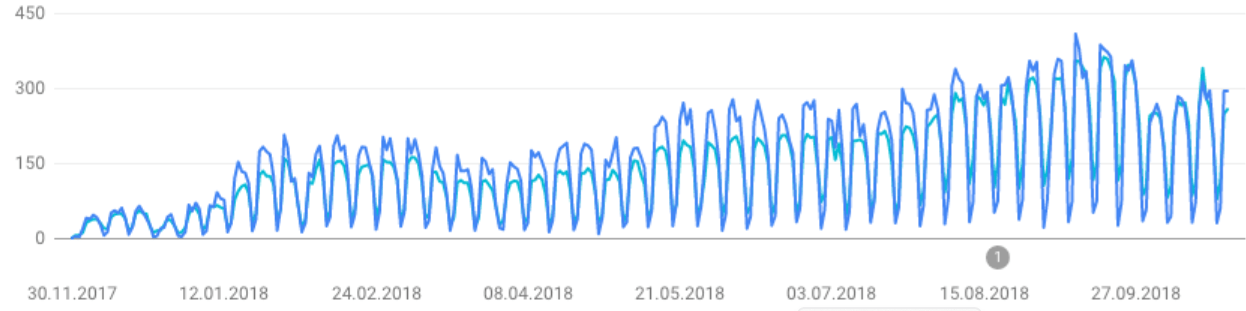
Challenge Limited organic visibility and low inbound trial downloads in a competitive SharePoint software market. Needed to generate qualified demand across North America, Europe, ANZ, and LATAM. Required a scalable acquisition strategy to support long B2B software buying cycles. Role Fractional CMO & Head of Growth Results Built a scalable global demand generation engine supporting…
Read More
BIM Software: Scaling Global Demand Generation and Pipeline Growth
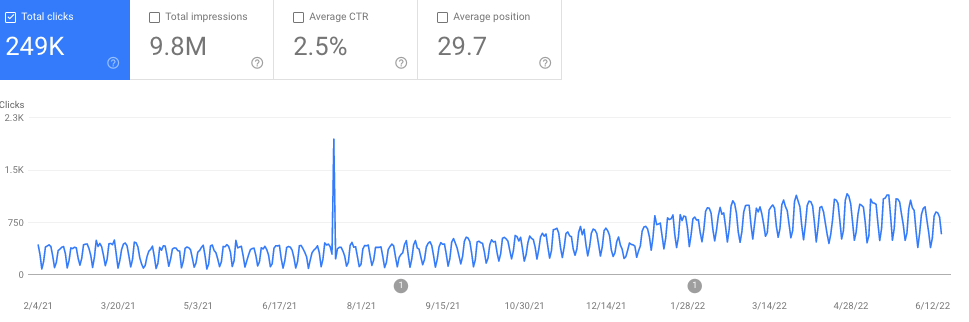
Challenge Needed to establish category leadership in the highly competitive BIM software market. Required a scalable demand generation engine to support global growth across North America, Western Europe, MENA, and ANZ. Needed to consistently generate and nurture qualified opportunities through a 3–6 month enterprise buying cycle. Role Fractional CMO & Head of Growth Results Generated…
Read More

AI Fashion Design SaaS: Building a Predictable Growth Engine
Challenge Organic growth was impacted by a Google Core Update and inconsistent acquisition performance. Needed to identify scalable growth channels while maintaining strict CAC and ROI targets. Required optimisation of the entire customer journey from acquisition to paid conversion. Role Fractional CMO & Head of Growth Results Recovered organic visibility and resumed growth in key…
Read More
Fintech SaaS: Building Organic Growth in a Competitive Search Market
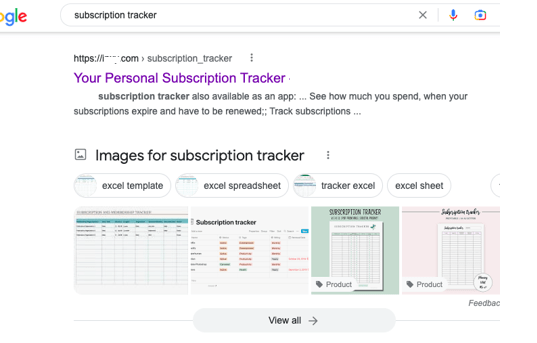
Challenge Needed to compete against established fintech players for highly competitive subscription-tracking keywords. Existing website platform created technical SEO limitations that constrained growth. Required a scalable acquisition strategy across North America, the UK, and ANZ. Role Head of Search Growth Results Led a complete website platform migration to remove growth-limiting technical constraints and improve search…
Read More
B2B eCommerce Platform: Scaling Global Demand Generation and Market Visibility
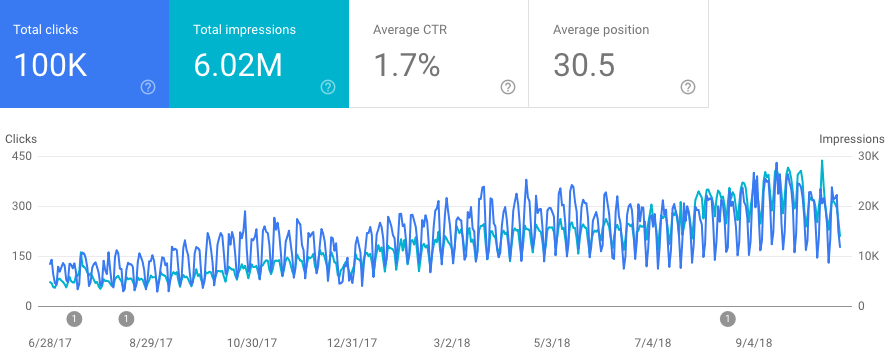
Challenge Needed to compete in a crowded B2B commerce market against established enterprise platforms. Required stronger visibility for high-value commercial keywords related to eCommerce, marketplaces, and eProcurement. Needed a scalable lead generation engine across North America, Western Europe, and APAC. Role Head of Digital Marketing Results Increased daily organic traffic from 150 to 450 visitors,…
Read More
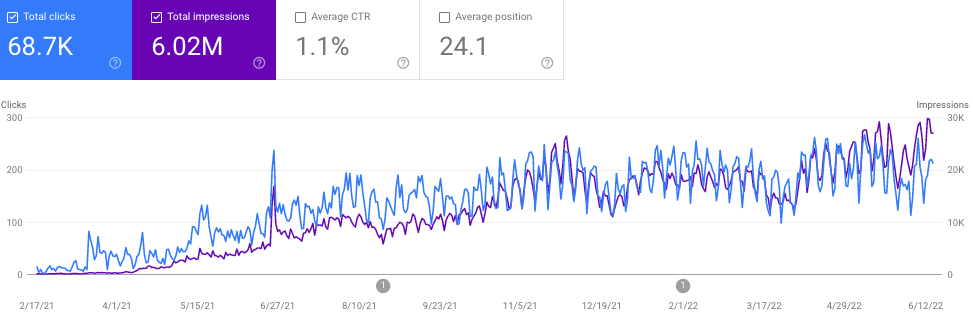
Microsoft Data Protection: Building Enterprise Demand Generation in Cybersecurity
Challenge Generated fewer than 5 leads per month in a competitive cybersecurity market. Needed to increase visibility and credibility among enterprise and government buyers. Required a scalable demand generation strategy across DACH, Nordics, and ANZ despite 6–12 month sales cycles. Role Fractional CMO & Head of Growth Responsibilities Go-to-Market (GTM) Strategy Demand Generation Marketing Operations…
Read More
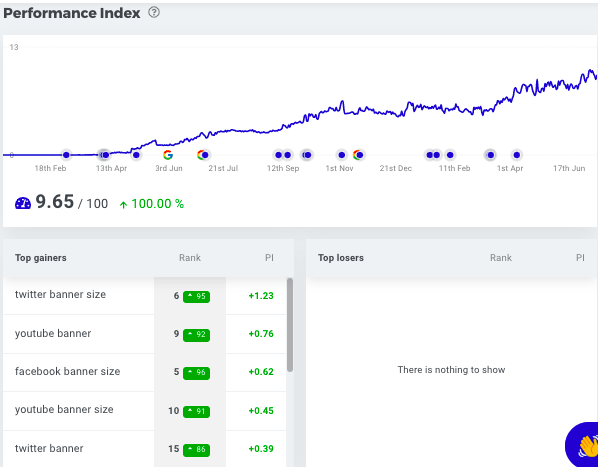
Creative Operations SaaS: Building Organic Growth and Category Visibility
Challenge Needed to establish category awareness in a crowded creative technology and marketing operations market. Required visibility for both high-volume awareness keywords and high-intent commercial search terms. Needed a scalable acquisition engine capable of generating qualified demand without relying solely on paid channels. Role Head of Search Growth Results Built an organic acquisition engine from…
Read More
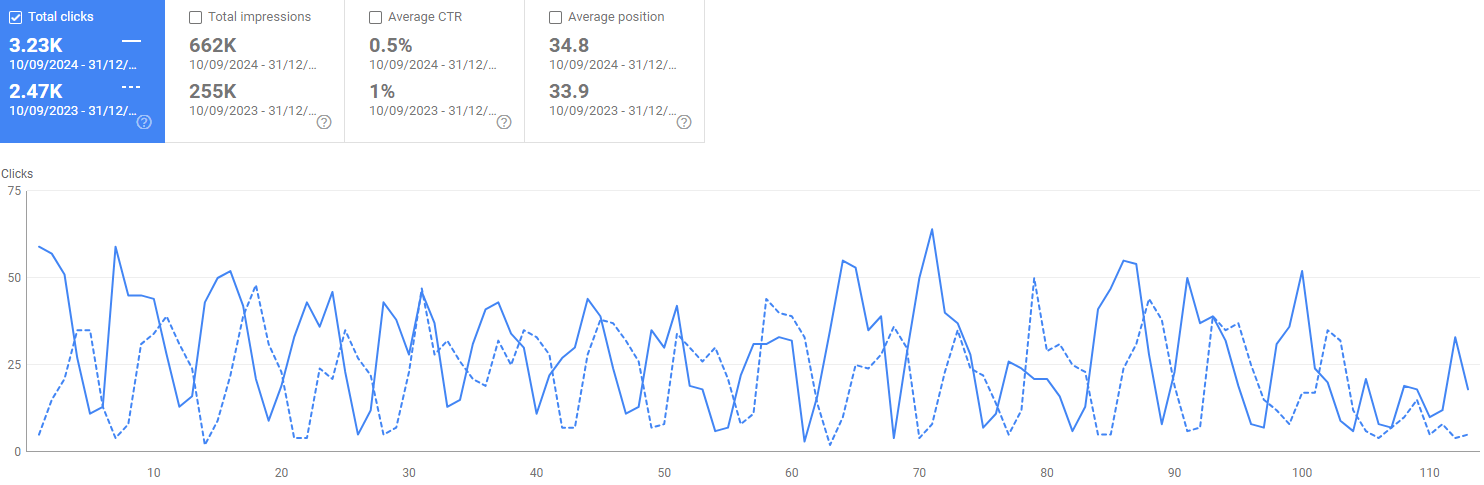
Salesforce Data Management SaaS: Building Global Demand Generation
Challenge Needed to compete in the highly competitive Salesforce ecosystem against larger and better-funded vendors. Required stronger visibility across data management, backup, archiving, and compliance categories. Needed a scalable demand generation engine capable of supporting enterprise pipeline growth across multiple global markets. Role Head of Search Growth Results Increased visibility across strategic Salesforce data management,…
Read More
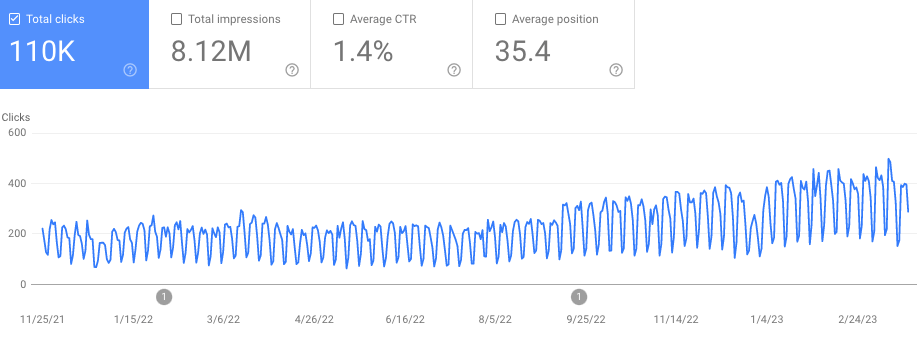
Enterprise Backup Platform: Scaling Enterprise Demand Generation Against IBM, Dell and Veeam
Challenge Global enterprise backup market Limited budget Strong incumbents Role Fractional Head of Growth / Marketing Leadership Responsibilities GTM strategy Demand generation Marketing operations Revenue forecasting International expansion Sales alignment Results Leads: 300 → 10,000 annually Opportunities +150% CPL 5x below industry benchmark Expansion into North America, Europe, LATAM and ANZ
Client Reviews
Find Out What’s Driving Your Customer Acquisition Costs
Before increasing acquisition spend or cutting campaigns, it is worth understanding why acquiring each new customer has become more expensive.
In this complimentary 60-minute session, we’ll review your current acquisition model, discuss the changes you’re seeing and look at the available performance data to identify the areas most likely to be increasing CAC.
You will leave with an independent view of the likely causes, the metrics worth investigating further and 3–5 priority actions I would test, change or investigate first.
What we'll look at
- Recent acquisition spend, customer volume and CAC trends
- Paid-media efficiency and signs of channel saturation
- Targeting, lead quality and customer segment performance
- Website, enquiry, demo, trial and sales conversion
- Attribution, payback and the relationship between spend and customer value
- Dependence on paid acquisition and opportunities to strengthen other channels
The goal is to identify where acquisition efficiency is breaking down and what is most likely to improve it.
If You Need Help Implementing the Acquisition Improvement Plan
Acquisition Diagnostic Sprint
Ideal for: Companies that need to understand why acquisition costs are increasing and which changes to prioritise.
Includes:
- Acquisition cost trends and measurement review
- Paid-media efficiency and saturation assessment
- Channel and customer-segment analysis
- Targeting and customer-quality review
- Funnel conversion and sales-process assessment
- Prioritised acquisition improvement roadmap
Estimated price: from AUD 1,000 excl. GST
Acquisition Efficiency Advisory
Ideal for: Companies that understand the main acquisition problems but need ongoing guidance to improve performance, test changes and allocate budget more effectively.
Includes:
- Two strategy calls per month
- Acquisition cost and conversion performance review
- Paid-media and channel investment recommendations
- Review of optimisation experiments and results
- Guidance on organic growth and channel diversification
- Ongoing support for acquisition and budget decisions
Estimated price: from AUD 2,000/month excl. GST
Fractional Marketing Leadership
Ideal for: Growing companies that need senior marketing leadership to improve acquisition economics, coordinate execution and make ongoing investment decisions.
Includes:
- Weekly strategy and performance sessions
- Acquisition strategy and budget ownership
- Marketing and sales alignment
- CAC, conversion and customer-quality tracking
- Team, freelancer and agency coordination
- Executive reporting and decision support
- Oversight of acquisition experiments and implementation
Estimated price: From AUD 3,500/month excl. GST
Rising Customer Acquisition Costs FAQ
Why are our customer acquisition costs increasing?
Customer acquisition costs can increase because advertising becomes more expensive, audiences become saturated, targeting becomes less effective or fewer prospects convert into customers. Higher sales effort, longer buying cycles and changes in customer mix can also affect CAC. The important question is whether higher acquisition cost is being matched by higher customer value.
How do you diagnose a customer acquisition cost problem?
I start by comparing acquisition cost, customer volume and conversion performance over time. I then look at channel-level CAC, cost per qualified opportunity, funnel conversion, sales-cycle length, win rates, customer quality and payback. This helps separate media-cost inflation from targeting, conversion, sales or channel-mix problems.
Should we reduce our advertising budget when acquisition costs rise?
Not automatically. Cutting spend may reduce customer volume without solving the underlying problem. The better approach is to identify which campaigns, audiences and channels are becoming less efficient and whether the issue is media cost, targeting, conversion or customer quality. Some investment may need to be reduced, while other areas may deserve more budget.
What metrics should we use to measure customer acquisition efficiency?
CAC should be considered alongside cost per qualified lead or opportunity, conversion rates between funnel stages, win rate, sales-cycle length, customer value, CAC payback period and LTV:CAC where relevant. Looking at CAC alone can hide differences in customer quality and long-term commercial value.
What is a good customer acquisition cost?
There is no universal good CAC. An acceptable acquisition cost depends on customer value, gross margin, retention, repeat purchase behaviour and how quickly the acquisition investment is recovered. A higher CAC may be commercially sound if the customers acquired are significantly more valuable.
Why does CAC often increase as a company grows?
CAC often rises because the easiest-to-reach customers are acquired first. As budgets increase, campaigns expand into broader audiences, more competitive keywords or lower-intent placements. This can reduce marginal efficiency, meaning each additional dollar of marketing spend produces fewer incremental customers.
When does increasing marketing spend make customer acquisition less efficient?
Scaling becomes less efficient when additional spend reaches saturated audiences, weaker customer segments or lower-intent traffic. A campaign that performs well at AUD 10,000 per month may not maintain the same CAC at AUD 20,000 because the incremental budget is competing for progressively less efficient demand.
How do we know which marketing channels are actually producing customers?
The analysis should connect marketing activity to qualified opportunities, customers and revenue rather than relying only on clicks, leads or platform-reported conversions. This usually requires reviewing attribution, CRM data, sales outcomes and customer quality across paid, organic, referral, partnership and other acquisition channels.
Can customer acquisition costs rise even when lead volume is increasing?
Yes. Lead volume can increase while customer acquisition becomes less efficient if lead quality deteriorates, conversion rates decline or sales teams spend more time on prospects who never buy. This is why acquisition performance should be measured against customers and commercial outcomes, not lead volume alone.
Should we focus on lowering CAC or increasing customer value?
Usually both should be considered together. The objective is not necessarily to achieve the lowest possible CAC, but to acquire valuable customers at economics the business can sustain. In some cases, paying more to acquire a higher-value customer is preferable to reducing CAC by targeting less valuable buyers.
Get in touch
Have questions about rising customer acquisition costs or improving the efficiency of your marketing investment? Get in touch to discuss your current situation. I aim to respond within one business day.
-
Email
[email protected] -
LinkedIn
View Profile -
Location
Adelaide, Australia