

Paid social media marketing services
Paid Social Audit
A complete evaluation of current paid social activity, incl. account structure, targeting, creative performance, messaging, event setup, conversion attribution, budget allocation, bidding strategy and more. Ultimately, this audit identifies wasted ad spend, unlocks higher-value audiences and reveals opportunities to scale budgets more profitably across LinkedIn, Reddit, Pinterest, YouTube and other social platforms.
Ad Creative Development
High-impact visual and copy concepts are developed specifically for paid social environments where attention spans are short and competition is high. This includes platform-native formats, scroll-stopping visuals, tailored message variations and structured content for A/B testing. Assets are designed to align with funnel stages and brand guidelines while maximising relevance and engagement.
Targeting & Segmentation
Audience targeting is built using behavioural signals, interest clusters, demographic filters, your own website traffic, lookalike audiences and uploaded lists. Segments are structured to minimise ad fatigue while maintaining scalable reach. The funnel-based approach ensures paid social campaigns can target cold, warm and high-intent users with tailored messaging that increases conversion rates.
Campaign Setup & Management
Campaigns are launched with careful planning, incl. budget allocation, goal-aligned bid strategies, landing pages review, audience exclusions, optimised placements and compliance checks. Ongoing management makes sure that campaigns run efficiently by overseeing spend distribution, maintaining consistent performance across all ad sets and creatives, and turning off those with lower performance.
Conversion Tracking & Attribution
This includes pixel/tag implementation, event tracking, conversion API or server-side tracking, UTM structure, conversion value tracking and platform-specific tracking extras. Clean tracking provides clear visibility into how paid social media advertising contributes to lead generation and pipeline building, enabling confident decision-making and effective budget allocation.
Reporting & Growth Insights
Comprehensive reports summarise key KPIs across platforms such as CTR, CPС, conversion number, rate & value, as well as ROAS and CPA. They highlight performance patterns and reveal which creatives, audiences and placements drive the strongest results. Insights are translated into practical recommendations that guide future testing, scaling and creative direction.
YOU ARE BUSY RUNNING A BUSINESS. PAID SOCIAL ADS DON’T MANAGE THEMSELVES.
Most business owners do not have time to learn paid social advertising while running day-to-day operations. That is normal. But if social media ads are poorly targeted, badly structured, or not tracked correctly, they burn budget without delivering results. Good paid social advertising is not about vanity metrics: likes, upvotes, impressions or clicks. It should generate measurable enquiries, leads or sales. If it does not, it is wasted spend IMO. I focus on the parts of paid ads that actually affect performance. Clear campaign structure so platforms can optimise correctly. Audience targeting based on real intent and signals, not assumptions. Ad copy and creatives tested against outcomes, not opinions. Tracking that shows what drives results and what does not. You focus on running the business. I manage the paid social system that brings new demand in.
What Differentiates My Paid Social Media Marketing Services?
Business Benefits
● Proven case studies across paid social channels
● Flat pricing without percentage-based commissions
● Simple contract structure without long-term lock-ins
Service Benefits
● Transparent reporting across all paid social channels
● Direct communication, I do everything with my own hands
● Integration with your existing creative or analytics teams
Technical Benefits
● Advanced tracking setups ensuring accurate attribution
● Clean event architecture to support platform optimisation
● Smooth integration with all web analytics tools
Risk Mitigation Benefits
● Controlled budget allocation during testing phases
● Early identification of declining ad performance
● Prevention of tracking gaps that distort CPA and ROAS
My Portfolio
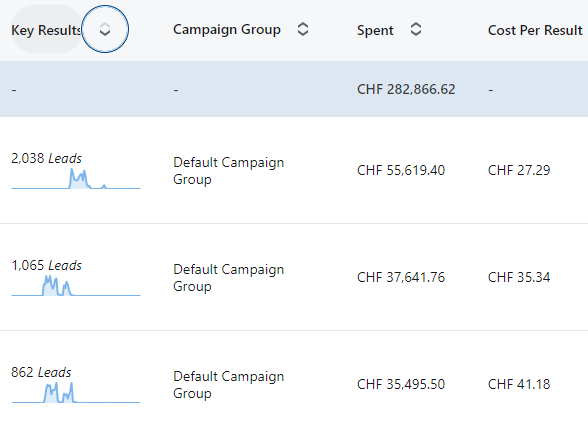
Account-Based Marketing on LinkedIn for B2B SaaS (Workspace Collaboration Tool)
This vendor is a leading workspace software company focused on providing CRM, project management, collaboration, websites, and HR solutions in a single workspace tool that improves the organization’s productivity, streamlines operations, and enhances marketing efficiency for companies of all sizes. The project aimed to establish account-based marketing (ABM) through LinkedIn as a lead generation channel…
Read More
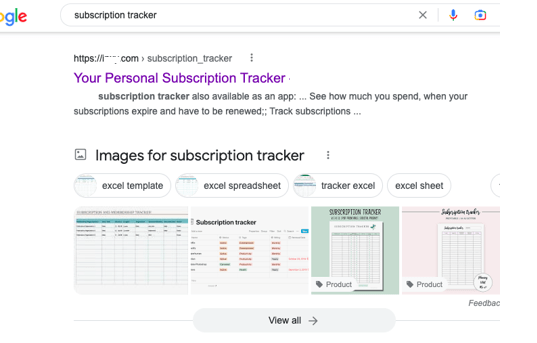
Technical & Off-Page SEO for Fintech SaaS (Subscriptions Tracker)
Originally founded as a dedicated server provider, the company later expanded to offer premium CDN solutions on a reselling basis. Based on customer feedback regarding difficulties in managing subscriptions, the team developed a financial subscriptions tracker as a spinoff. Initially the project faced challenges with ranking for competitive keywords like ‘subscription tracker’ and ‘track subscriptions’…
Read More
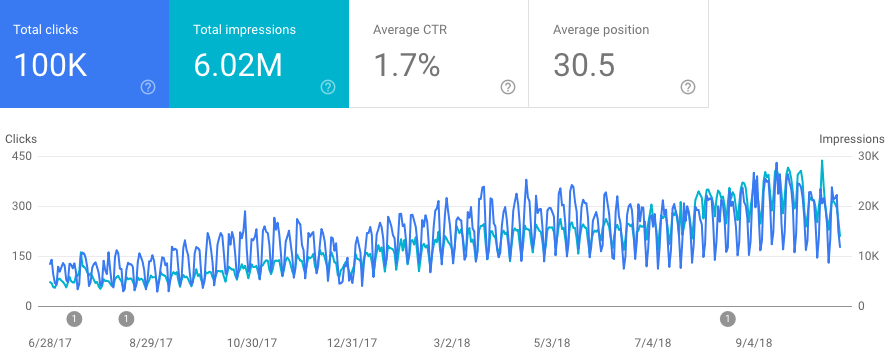
SEO and LinkedIn Lead Generation for Prominent B2B ECommerce Platform
This company is a large platform for B2B e-commerce that uses advanced architecture to create multi-vendor marketplaces, order management systems, e-procurement solutions, PIM systems, and many others. The client’s name falls under NDA. A significant surge in our SEO traffic has been documented since 2018, ascending from 150 to 450 site visitors per day, which…
Read More
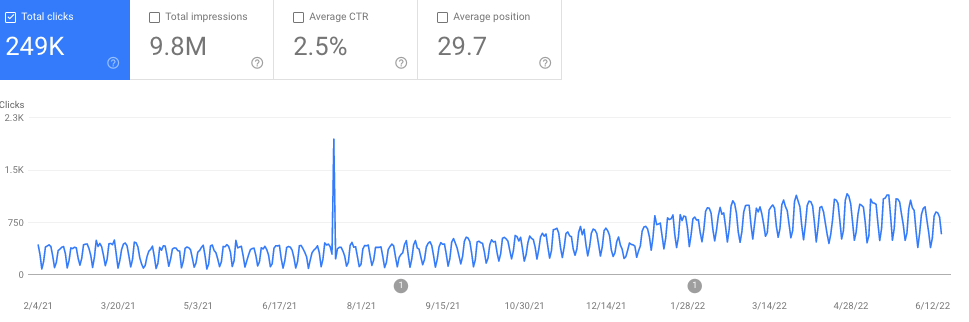
SEO, PPC (SEM) and LinkedIn Advertising for Leading BIM Software Company
This company is developing the industry-leading integrated BIM software. The name of the client is under NDA. The goal of this 5-year project is to generate leads (trial downloads, contact form submissions, and whitepaper downloads) and nurture them to the end of a 3- 6 month sales cycle. The target regions include North America, Western…
Read More
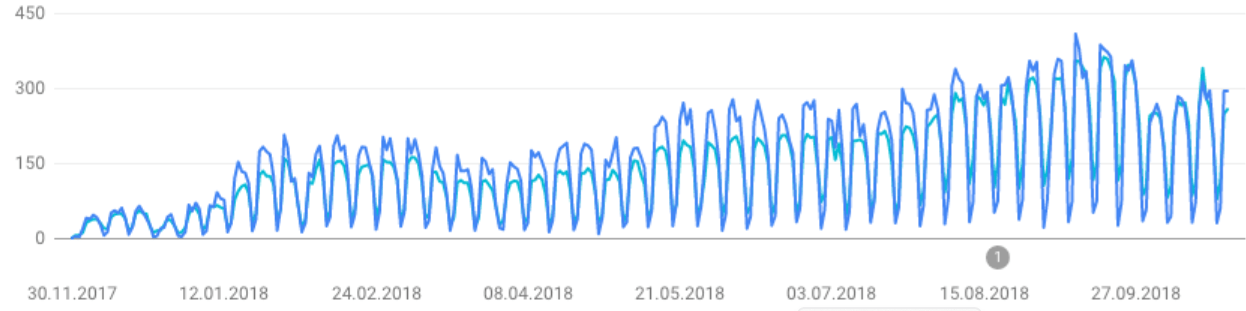
SEO, PPC & Display, Email Nurturing and Paid Social for Notable SharePoint Apps Vendor
The company in question develops applications and web parts for SharePoint Online and on-premises. The client’s name falls under NDA. The three-year project with the client has a goal of improving organic SEO traffic while generating trial downloads, leading more clients down the sales funnel. The campaign’s target regions include not only Western Europe and…
Read More
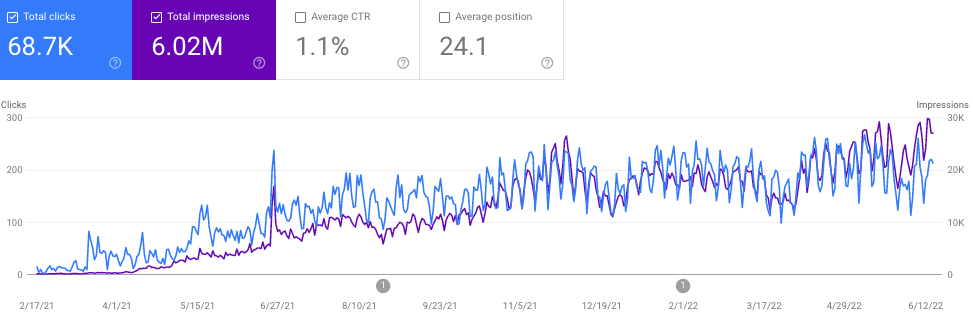
Multilingual SEO, PPC, Paid Social and Email Marketing for Trusted SharePoint Data Protection Vendor
This vendor provides solutions that help businesses and governments identify, protect, and control access to sensitive information. These solutions restrict access to sensitive content to IT administrators and make it difficult to steal or misuse information. This two-year project included lead generation using PPC advertising in Google Ads, display retargeting, SEO optimization, social network advertising,…
Read More
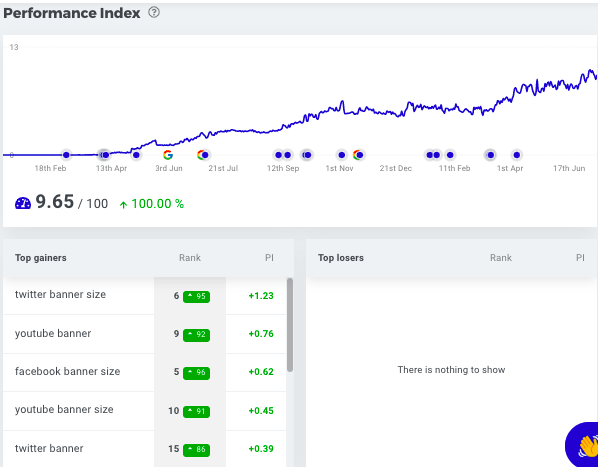
Programmatic SEO for Growing Creative Management B2B SaaS
This company is a B2B SaaS workplace that allows end users to create, collaborate on, and launch advertisements at scale. It can provide the means to out-market competition, go to market faster, and multiply creative variety/volume without losing in quality. The client’s name falls under NDA. We have achieved several impressive feats so far (as…
Read More
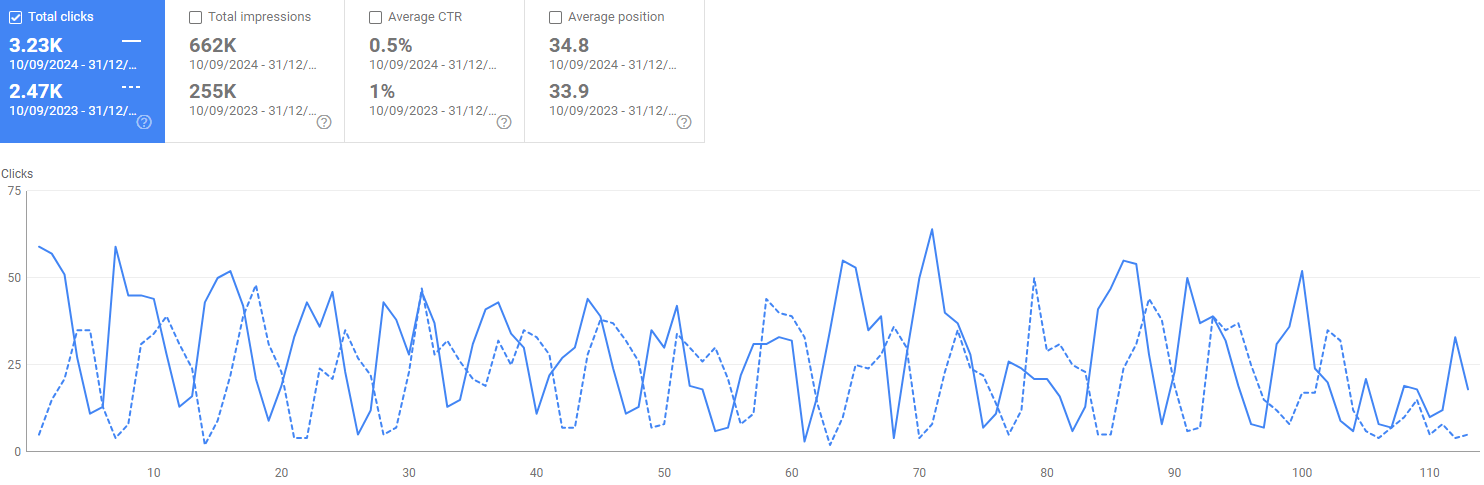
Advanced SEO for Leading Salesforce Data Management Platform
We’ve collaborated with a leading vendor specializing in data backup, archive, and recovery solutions for Salesforce. Our project was focused on increasing organic traffic by working on tech SEO revamp, updating current content, analyzing search intent and adding new content, as well as acquiring quality backlinks. In just 5 months, we achieved several key results…
Read More
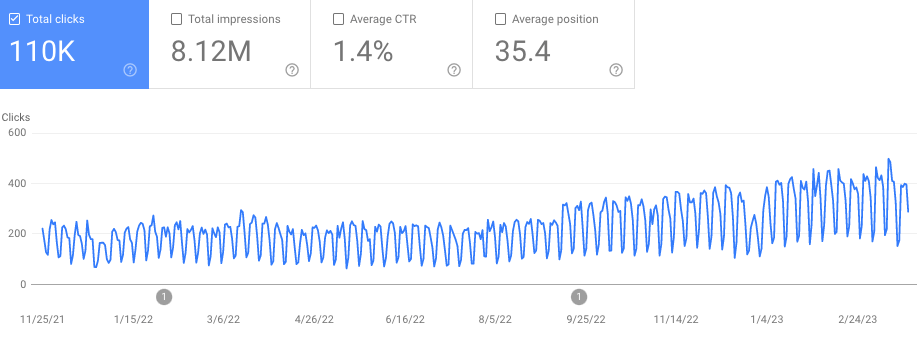
SEO, PPC (SEM), SMM, Paid Social & Email Marketing for Enterprise Backup Software Vendor
This ongoing, 9-year project has both lead and demand generation objectives. One of the project goals is to generate at least 800 MQLs monthly with 30% conversion rate into SQLs. To accomplish this task, I am using the following channels: PPC in Google Ads (for branded and selected target keywords), SEO for a much broader…
Read More

SEO, GEO, Google and LinkedIn Ads for a SaaS AI Fashion Design Platform
This customer is an innovative AI-powered fashion design platform targeting professional designers and apparel brands. At the start of the engagement, the product had early traction but faced three constraints: Organic visibility volatility, including impact from a Google Core Update Over-reliance on experimental content and unvalidated acquisition channels Limited conversion optimisation across sign-up, trial and…
Read More
Testimonials
Awards & Certificates

Honored as a Global Leader by Clutch in Fall 2023
LinkedIn Certified Marketing Insider with Case Study

Award-winning PPC, SEO & Digital Strategy Expert in 2024

Google Ads & Google Analytics Certified Individual

Recognized as a Top Freelance SEO Expert in 2024
Top Inbound Marketing Company by Clutch in 2023
Free Evaluation Offer: Strengthen Paid Social Performance With a Mini Audit
Determining whether investing in paid social media marketing will actually move the needle for your agency or clients can be challenging. This mini audit brings clarity by showing how optimising your paid social structure, creative approach and audience targeting can significantly uplift campaign performance and return on ad spend.
This compact analysis highlights where your current setup is losing efficiency, how your content can be adapted for higher engagement and what actions can increase conversions across key platforms like LinkedIn, YouTube, Pinterest or Reddit.
What's included:
- Audience and interest-layer research matched to your niche
- Recommendations for creative, messaging and placement optimisation
- Insights into opportunities to lower CPA and increase paid social ROAS
Don’t miss the chance to uncover hidden inefficiencies and scale your paid social results with a clear, actionable snapshot of performance opportunities.
Paid Social Advertising Pricing
The cost of paid social advertising includes two main components:
- Consulting Fee: This fee will include initial consultation, campaign creation, ongoing management, optimization, and reporting. The extent of the particular development project that has to be carried out will determine the fee. The fee is based on the specific services your business requires and the overall objectives of your plan.
- Advertising Budget: This is the real spend encountered in ad platforms such as LinkedIn Ads and Reddit Ads, among others. It is not part of the consulting fee and is for the direct subsidizing of the operations of the ad platforms that you use for your campaigns. This implies that advertising costs are sensitive and vary in instants, such as competition, keywords, regions, and languages, among others.
Paid social engagements typically start with a one-off mini audit (AUD 600–1,500 excl. GST) or a full setup and strategy kick-start (AUD 1,500–2,500 excl. GST), followed by monthly management retainers ranging from AUD 500–2,000 excl. GST for various accounts. Hourly consulting is available from AUD 150 excl. GST, with performance-linked models offered on a case-by-case basis where clear KPIs can be defined.
All these prices are solely for my consulting efforts. In addition to consulting fees above, there may be direct costs such as advertising budgets, translation tools, copywriting and web development services.
Why Hire an External Paid Social Agency?
Modern platforms evolve quickly, from new ad formats to privacy changes and bidding rules. An external paid social media agency works across many accounts every month so it brings current insights, benchmarks and battle tested playbooks that are hard to replicate internally.
Building an in-house team usually means hiring a strategist, media buyer and creative support, then investing time into training and tooling. Partnering with an experienced paid social agency gives you immediate access to a complete skill set and ready made optimisation processes.
A specialised paid social marketing agency can audit existing campaigns, rebuild account structure, implement tracking, design new creatives and roll out testing frameworks without disrupting your internal workflows.
This model lets your team stay focused on product, sales and customer success, while your paid social partner is accountable for performance, reporting and continuous improvement of your paid social media advertising.
Paid Social Media Advertising FAQ
Why client feedback should influence paid social targeting, not just messaging?
Most teams use client feedback only to refine copy or value propositions. That is useful, but limited. A more effective approach is to feed real client data back into audience strategy. Patterns in closed deals, lost deals, onboarding calls, or support tickets often reveal which segments convert, which hesitate, and which create friction later. When these insights are reflected in paid social targeting and exclusions, campaigns become more efficient. Spend shifts toward audiences that not only click or convert, but also close faster, retain longer, and require less effort post-sale. This alignment reduces wasted budget and improves campaign quality without increasing spend or creative volume.
Which platforms are best for paid social media advertising?
The right platforms depend on your audience and objectives. LinkedIn is effective for B2B lead generation and professional targeting, Reddit enables community-driven discovery and niche audience engagement both in B2C & B2B, YouTube supports high-impact video storytelling at scale, and Pinterest drives intent-led discovery for retail and lifestyle brands.
What KPIs and metrics does a paid social agency track?
Performance is usually measured through delivery and efficiency metrics such as spend pacing, impressions, reach, frequency, CPM, CTR, CPC and landing page views, then linked to outcome KPIs like conversions, conversion rate, CPA or CPL, ROAS, AOV and where possible LTV.
How do you decide which audiences to target in paid social marketing?
Audience selection is based on research, past performance, platform signals, and competitive insights. Campaigns often begin with broad segments, then narrow down as real data shows which groups convert best. Lookalikes, retargeting pools, and interest-based clusters are refined continuously as campaigns scale.
Why paid social should change as the sales cycle gets longer?
Most paid social campaigns are built as if every buyer is ready to act immediately. That works for short sales cycles, but it breaks down as soon as decisions take time. For longer sales cycles, paid social performs better when campaigns are sequenced to match decision stages. Early ads should focus on problem recognition and relevance. Mid-cycle ads should reinforce credibility, proof, and differentiation. Late-stage ads should remove friction and make the next step easy. When sequencing reflects how long clients actually take to decide, ads feel more relevant and less repetitive. This usually lowers cost per lead, improves lead quality, and reduces drop-off between first touch and conversion.
How early exclusions protect paid social budget and improve lead quality?
Most paid social campaigns focus on who to include, not who to exclude. That is where waste usually starts. A more effective tactic is to define low-quality signals early and actively exclude them from campaigns. This can include audiences that consistently click but never convert, job roles that do not buy, locations outside your service area, or users who repeatedly submit low-intent forms. When exclusions are applied early in the funnel, budget is preserved for higher-intent users. Over time, this improves platform learning, reduces follow-up effort, and increases the percentage of leads that are worth contacting.
Get in touch
Feel free to ask me questions on my paid social advertising & marketing services. I will try to reply you in 1 business day.
-
Email
[email protected] -
LinkedIn
View Profile -
Address
Adelaide, Australia